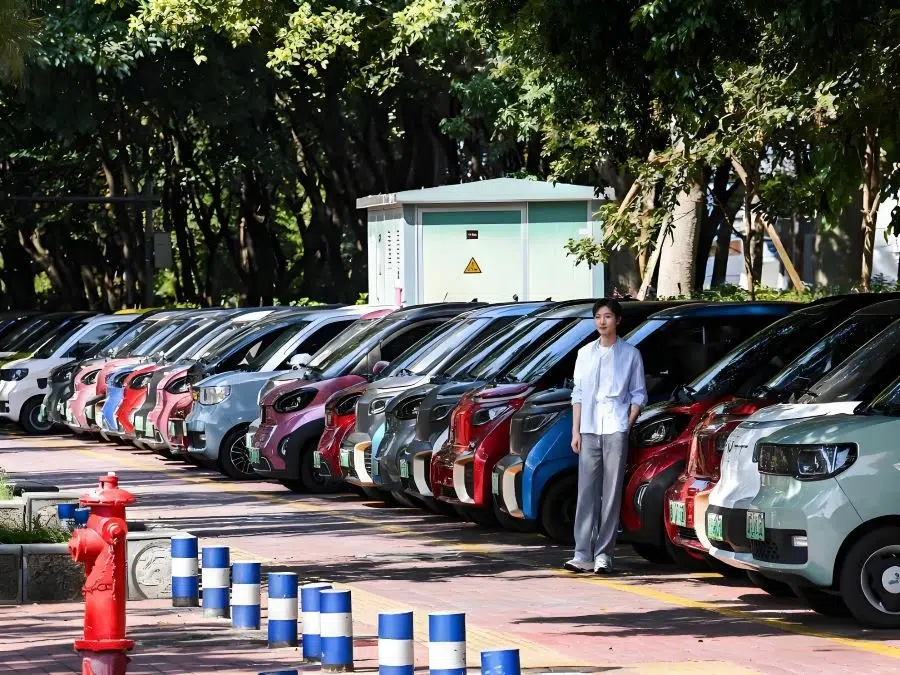
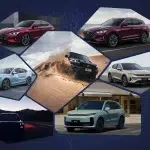
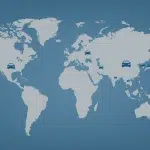
Electric vehicles are no longer just a niche or a futuristic idea. They have become part of everyday life. In California, it’s common to see Tesla Superchargers packed on weekends, while in cities like Shanghai or Shenzhen, electric taxis weave through rush-hour traffic.
Most people know Tesla in the U.S. and the rise of Chinese EV brands like BYD, NIO, and XPeng. But the global EV story in 2025 goes far beyond those two markets. Across Europe, Japan, Korea, India, Vietnam, and even the Middle East, automakers are charting their own paths toward an electric future.
Each region has a unique flavor. China is scaling up and exporting worldwide. The United States is betting on bold SUVs and pickups. Europe blends luxury with strict emission rules. Japan continues to lean on hybrids. Korea builds both cars and the batteries inside them. Meanwhile, India and Vietnam are putting affordable entry-level EVs in the spotlight, and Middle Eastern countries are using state investments to join the race.
It is worth noting that not every part of the world has its own EV manufacturers. Regions such as Africa, much of South America, and Russia still rely largely on imports or play a role in supplying raw materials for batteries. This article focuses on countries where domestic automakers are shaping the EV industry, while recognizing that other regions participate in different ways.
This article takes you on a tour of the global EV landscape, country by country. We’ll look at the most influential manufacturers, the models that define each region, and the strategies that shape them. By the end, you’ll have a clearer picture of where electric mobility stands today—and where it is heading next.
🔹 Quick Reference: Popular EV Manufacturers by Country (2025)
Country / Region
Popular EV Brands (2025)
Models
China
BYD, NIO, XPeng, Li Auto, Hongqi
BYD Dolphin, BYD Seal; NIO ES8; XPeng P7; Li Auto L9; Hongqi E-HS9
United States
Tesla, Rivian, Lucid, Ford, GM
Tesla Model Y; Rivian R1T; Lucid Air; Ford F-150 Lightning; GM Ultium EVs
Europe
Volkswagen, BMW, Mercedes-Benz, Renault, Volvo, Polestar, Peugeot, Fiat
Volkswagen ID.4; BMW i4; Mercedes EQS; Renault Zoe; Volvo XC40 Recharge; Polestar 2; Peugeot e-208 / e-2008; Fiat 500e
Japan
Toyota, Nissan, Honda
Toyota Prius (Hybrid), Toyota bZ4X; Nissan Leaf, Nissan Ariya; Honda e
Korea
Hyundai, Kia
Hyundai Ioniq 5, Hyundai Ioniq 6; Kia EV6
India
Tata Motors, Mahindra
Tata Nexon EV; Mahindra e-Verito, Mahindra Electric 3-wheelers
Vietnam
VinFast
VinFast VF8, VinFast VF9
Middle East
Lucid, Tesla, BYD (imports)
Lucid Air; Tesla Model S; BYD Atto 3
China: The Largest EV Market
China is not just the world’s largest car market. It has become the beating heart of the EV revolution. Walk through major cities like Shanghai or Shenzhen and you’ll notice EV taxis, buses, and private cars everywhere, supported by one of the world’s densest charging networks.
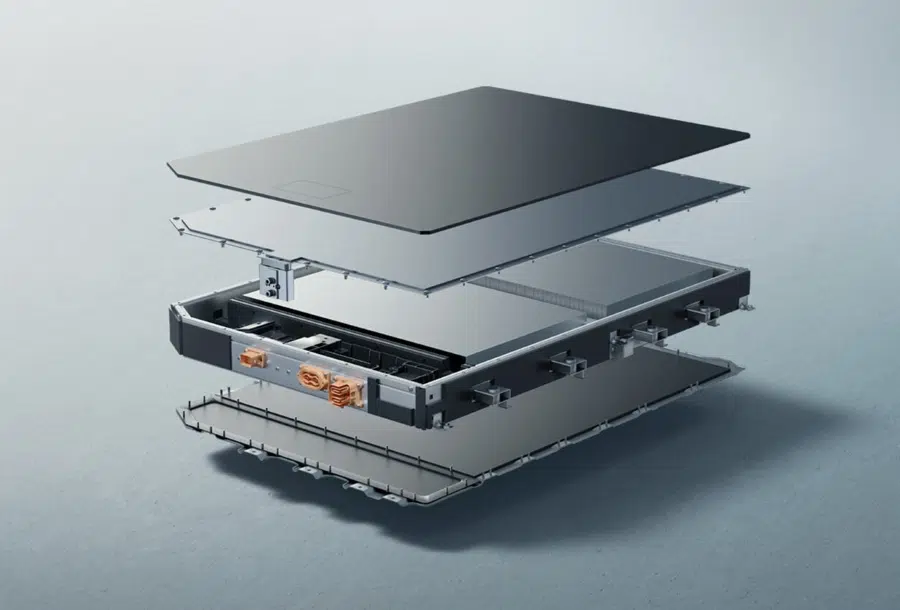
Government incentives and license-plate benefits laid the foundation, while China’s powerful supply chains ensured steady access to raw materials for batteries. This advantage is most visible in technology. Battery makers such as CATL and BYD now set global benchmarks, with BYD’s Blade Battery earning praise for safety and efficiency. On the digital side, Huawei and Baidu are no longer just telecom or search giants. They are now embedded into vehicles, powering smart cockpits and driver-assistance systems.
(BYD Blade Battery for DM-i EVs)
Local brands showcase this progress across every price point.
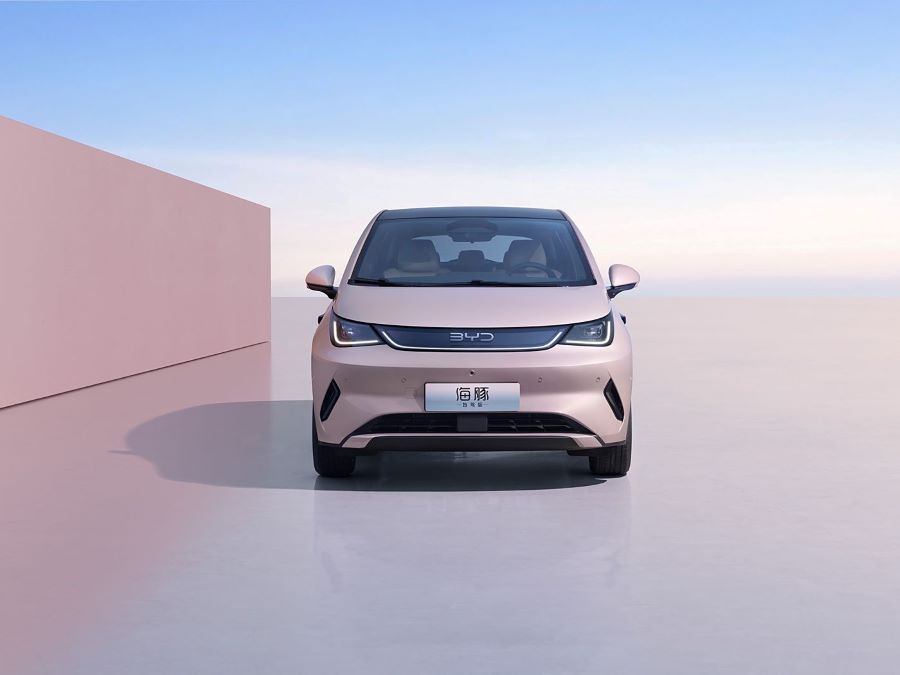
BYD alone covers the market from entry-level models like the Dolphin to premium sedans like the Seal. It also leads the hybrid segment with its DM-i technology, a system that combines electric efficiency with long-distance flexibility.
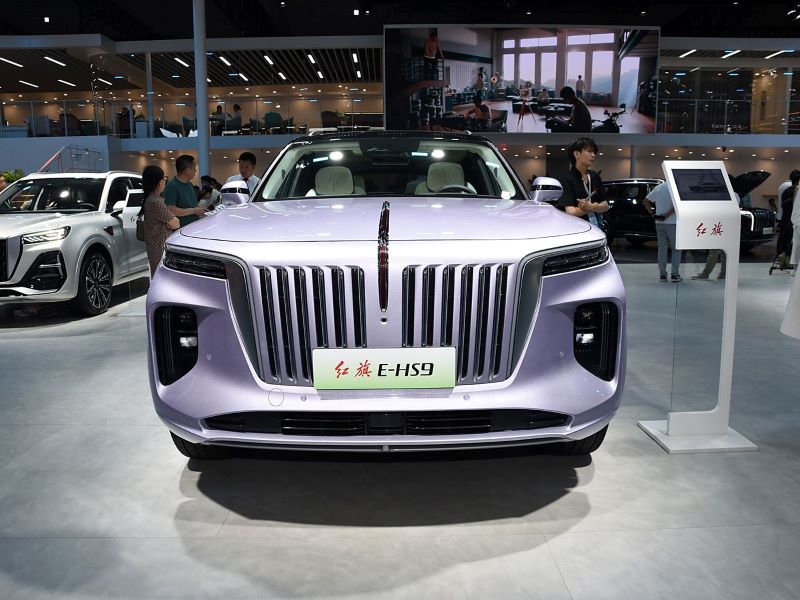
NIO and XPeng appeal to high-end buyers, Li Auto specializes in extended-range EVs, and even heritage brand Hongqi is moving upscale with models like the E-HS9.
BYD DolphinHongqi E-HS9
What truly sets China apart is the completeness of its EV ecosystem. From mining and materials to software and exports, the country controls every link in the chain. This level of vertical integration is unmatched anywhere else in the world.
United States: Tesla and Emerging EV Startups
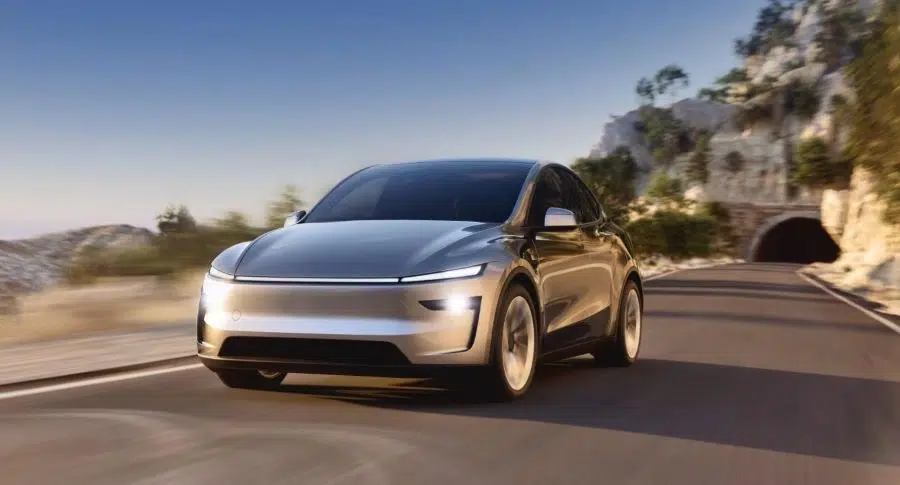
The United States remains one of the most influential EV markets in 2025. Drive through California and you’ll almost certainly pass a Tesla Model Y. It has become the unofficial symbol of America’s EV movement.
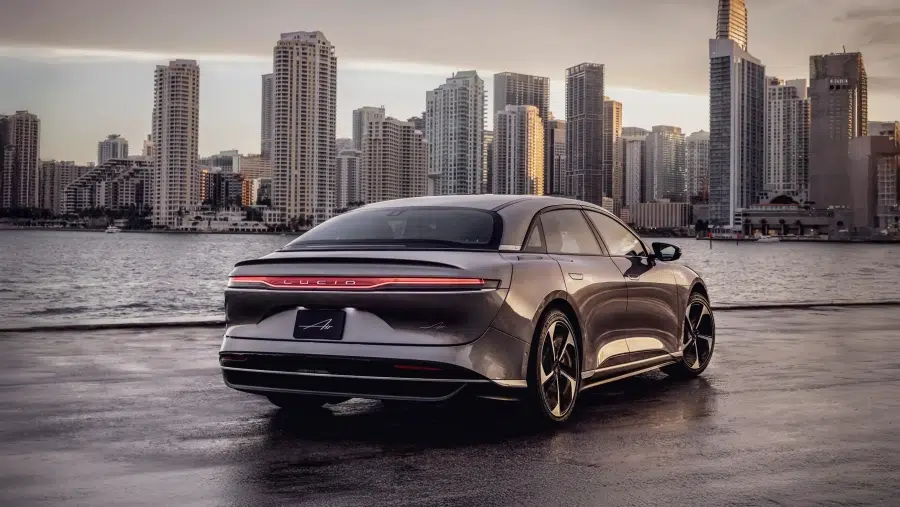
The industry feeds on Silicon Valley’s startup culture, where bold ideas often attract billions in venture capital. Rivian’s R1T pickup, for example, is pitched not just as a vehicle but as an adventure tool for campers and hikers. Lucid, on the other hand, aims squarely at luxury buyers with the long-range, high-tech Air sedan.
Legacy automakers are racing to catch up. Ford electrified its most iconic product, the F-150. The truck has topped U.S. sales charts for over 40 years, and its electric version made headlines nationwide. GM is betting heavily on its Ultium platform to power a new generation of EVs. Federal tax credits and state-level perks continue to make EV ownership more affordable.
What sets the U.S. apart is not sheer volume but cultural influence. American EVs double as lifestyle statements. From high-end sedans to rugged pickups, they shape how the rest of the world imagines the future of driving.
Europe: Luxury and Compact EVs
Europe’s EV story is shaped as much by culture as by regulation. Strict emission rules force automakers to electrify, but European buyers also prefer efficiency, smaller vehicles, and cars that fit narrow city streets. This is very different from America’s appetite for large SUVs.
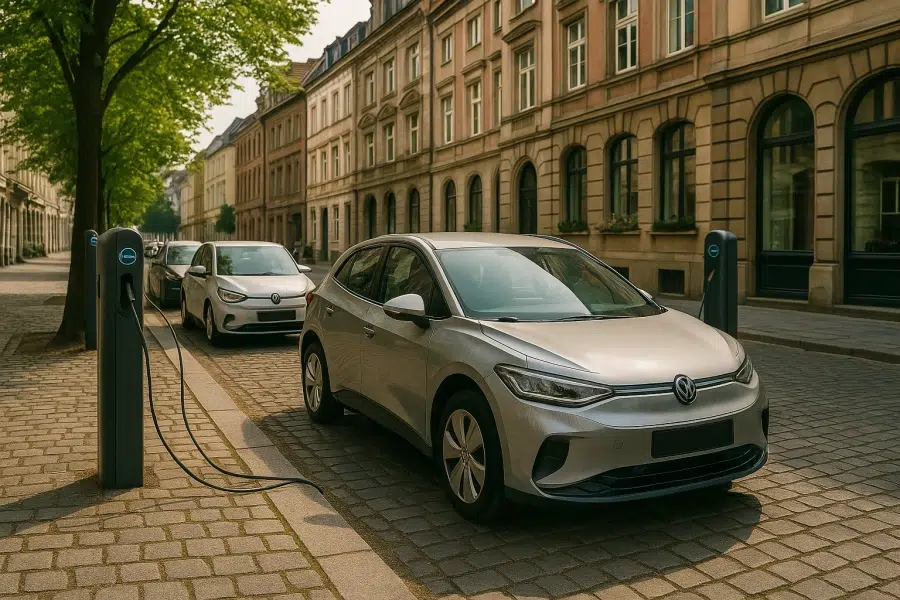
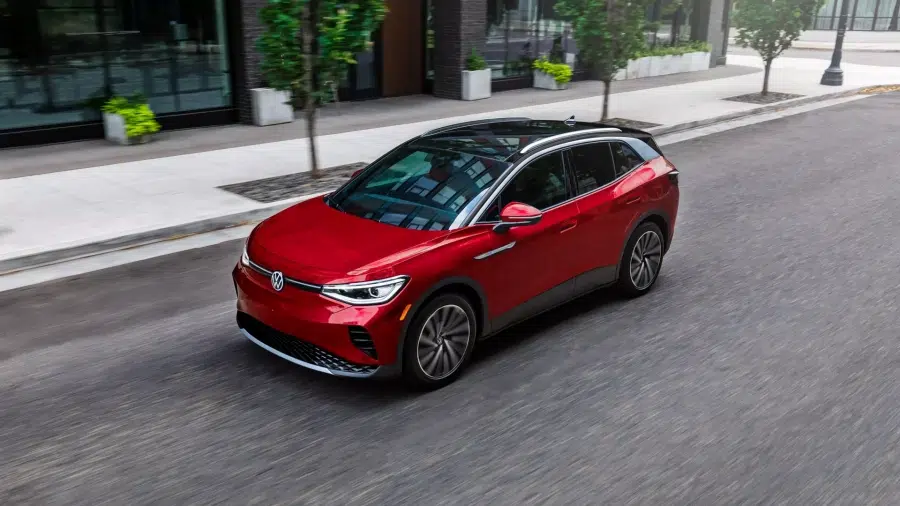
Germany anchors the region with its heavyweight brands: Volkswagen, BMW, and Mercedes-Benz. The VW ID.4 has become a mainstream family EV, while the Porsche Taycan shows that performance and electrification can coexist. BMW’s i4 and Mercedes’ EQS further push luxury design into the EV era.
France and Italy stick to their strengths in compact cars. Renault’s Zoe is almost tailor-made for Paris traffic, while Peugeot and Fiat keep city drivers in mind. Scandinavia adds another flavor. Sweden’s Volvo and Polestar promote clean design, safety, and sustainability, resonating strongly with eco-conscious buyers.
Europe stands out for its balance. Luxury technology meets small-car affordability. With continent-wide charging infrastructure, drivers can realistically take an EV from Paris to Berlin without worrying about range.
Japan: Hybrid First, EV Catching Up
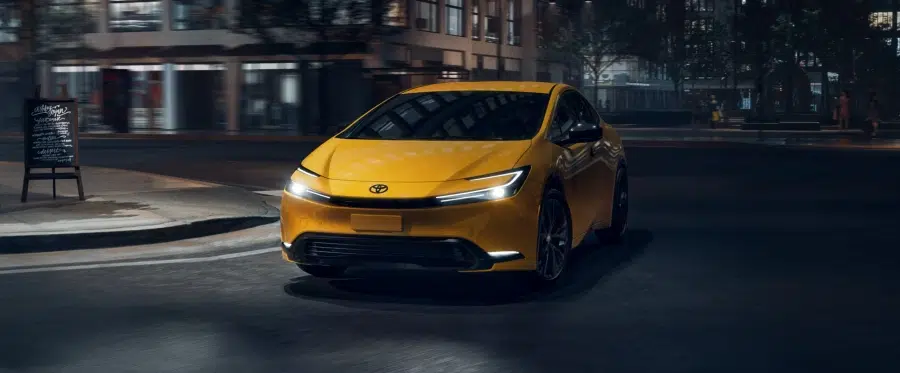
Japan built its reputation on hybrids. The Toyota Prius became a global icon long before Tesla, and that legacy still defines the country’s approach to electrification. Even today, if you walk through Tokyo, you’ll notice that hybrid taxis and compact cars far outnumber full EVs.
Toyota, Nissan, and Honda remain the major players. The Nissan Leaf was one of the first widely adopted EVs in the world, selling more than half a million units since its launch. The newer Ariya offers a more stylish crossover design, while Toyota is testing the waters with the bZ4X and the hydrogen-powered Mirai. Honda, known for small city cars, is experimenting with compact EVs designed for Japan’s crowded urban streets.
Japan’s EV market moves slower than China or Europe, but it is deliberate. Hybrids dominate, EVs are expanding cautiously, and hydrogen technology gives the country a distinctive path forward. This strategy may seem conservative, but it reflects Japan’s emphasis on energy security and gradual innovation.
Korea: EV + Battery Powerhouse
Korea’s EV strength lies not only in cars but also in the batteries that power them. Hyundai and Kia have established themselves as global EV brands, while battery makers LG Energy Solution, SK On, and Samsung SDI quietly supply cells to nearly every major automaker worldwide. In fact, Korean companies account for more than a third of the world’s EV battery production.
Hyundai’s Ioniq 5 and Ioniq 6 are widely praised for their bold design and ultra-fast charging, capable of reaching 80% in less than 20 minutes. Kia’s EV6 has won international awards, standing out for its balance of style, practicality, and performance. These models show that Korean EVs can compete at the highest level.
Korea plays a dual role in the EV world. Its cars are visible on the road in Europe, North America, and Asia, while its batteries are hidden inside models from Tesla, Volkswagen, and even Chinese automakers. This mix of visible brands and behind-the-scenes power makes Korea a cornerstone of the global EV supply chain.
India: Entry-Level EV Market
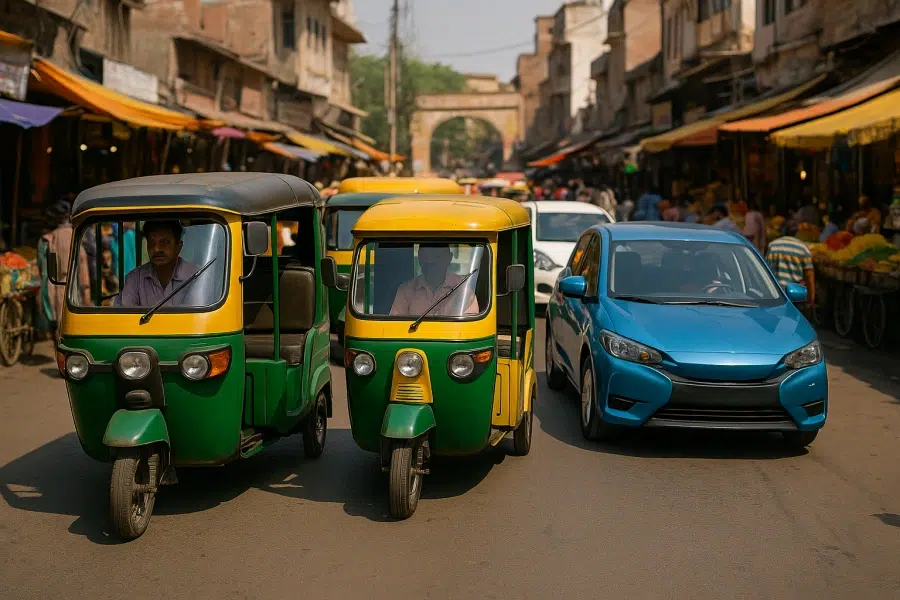
India’s EV market focuses on affordability and practicality. In cities like Delhi and Mumbai, electric rickshaws and scooters are often the first EVs people encounter, reflecting the country’s need for low-cost solutions in dense traffic.
Tata Motors leads the passenger EV segment with the Nexon EV, which has become one of the country’s best-selling electric cars. Mahindra adds compact EVs and electric three-wheelers that are essential for short-distance travel and local commuting. Government subsidies and state-level incentives are helping lower the entry barrier for middle-class families.
India’s EV market is still small compared to China or the United States, but its trajectory is important. With a young population, growing urbanization, and strong demand for affordable vehicles, India could emerge as the world’s leading hub for budget-friendly EV innovation.
Vietnam: New Player with Global Ambitions
Vietnam’s EV story is still young, but it is growing quickly. The market is almost entirely represented by VinFast, a company backed by the powerful Vingroup conglomerate. In just a few years, VinFast has gone from a local startup to a brand exporting cars to North America and Europe. Its VF8 and VF9 SUVs are already on sale overseas, marking one of the boldest pushes from a Southeast Asian automaker.
Challenges remain. Pricing has raised questions, and reviewers have pointed out quality issues in the first batches. Charging infrastructure is still limited within Vietnam, which makes adoption at home slower than in export markets. Still, foreign investment is arriving. BYD, for example, has opened a parts factory in Vietnam, signaling that global players see long-term potential here.
Vietnam may be a small player today, but its combination of domestic ambition and international backing makes it a market to watch.
Middle East: State-Backed Investments
The Middle East is a newcomer to EVs, but its governments are investing heavily in the sector. Saudi Arabia has taken the lead, becoming a major investor in Lucid Motors and building a production plant in King Abdullah Economic City. The goal is not only to diversify away from oil but also to position the kingdom as a future EV hub.
For now, the market is small. Public charging stations are limited, and wealthy buyers tend to focus on luxury imports such as the Lucid Air or Tesla Model S. However, Chinese brands like BYD and others are entering through exports and joint ventures, adding more affordable options to the mix.
With strong state funding, rising luxury demand, and partnerships with international automakers, the Middle East is preparing itself to become part of the global EV conversation. Whether this transformation will succeed depends on how quickly infrastructure and consumer habits adapt.
Conclusion
Looking across regions, the EV story in 2025 is no longer about a single leader. China builds at scale, the United States shapes design and lifestyle, and Europe balances luxury with compact practicality. Japan stays cautious with hybrids, Korea dominates in batteries, India emphasizes affordable mobility, Vietnam grows fast through VinFast, and the Middle East pushes forward with state-backed projects.
What stands out is diversity. Each market reflects its own culture, policies, and priorities, and together they create a mosaic of the global EV transition. Instead of one dominant player, the future of mobility will be written by many regions at once. For drivers and consumers, this means more choices, faster innovation, and a truly global shift toward electrification.
Brian Peng is an automotive sales professional working with SinoAutoGo, focusing on Chinese vehicles for export markets.
He shares practical articles on Chinese EVs, hybrids, and EREV models, based on daily work with vehicle products, specifications, and overseas buyer inquiries. His writing aims to help international distributors and buyers better understand Chinese car brands, powertrain technologies, and model differences from a real-world sales perspective.